Customers have become increasingly cautious about communications from unfamiliar numbers.
A text message from an unknown sender can look suspicious. An unexpected phone call may be ignored—or flagged as potential spam. Yet for organizations in healthcare, insurance, financial services and other highly regulated industries, outbound communications are often important: a member may need to take action, a policyholder may need an update, or a customer may need to complete a time-sensitive process.
That creates a challenge for enterprises: How do you make digital communications easier for customers to recognize, trust and act on?
RCS business messaging and branded calling offer an answer. By bringing verified brand identity and greater context into messaging and voice interactions, organizations can make it clearer who is contacting a customer and why—while creating richer, more engaging customer experiences.
What is RCS business messaging?
Rich Communication Services (RCS) is a modern messaging standard that expands traditional SMS with verified branding, rich media and interactive capabilities.
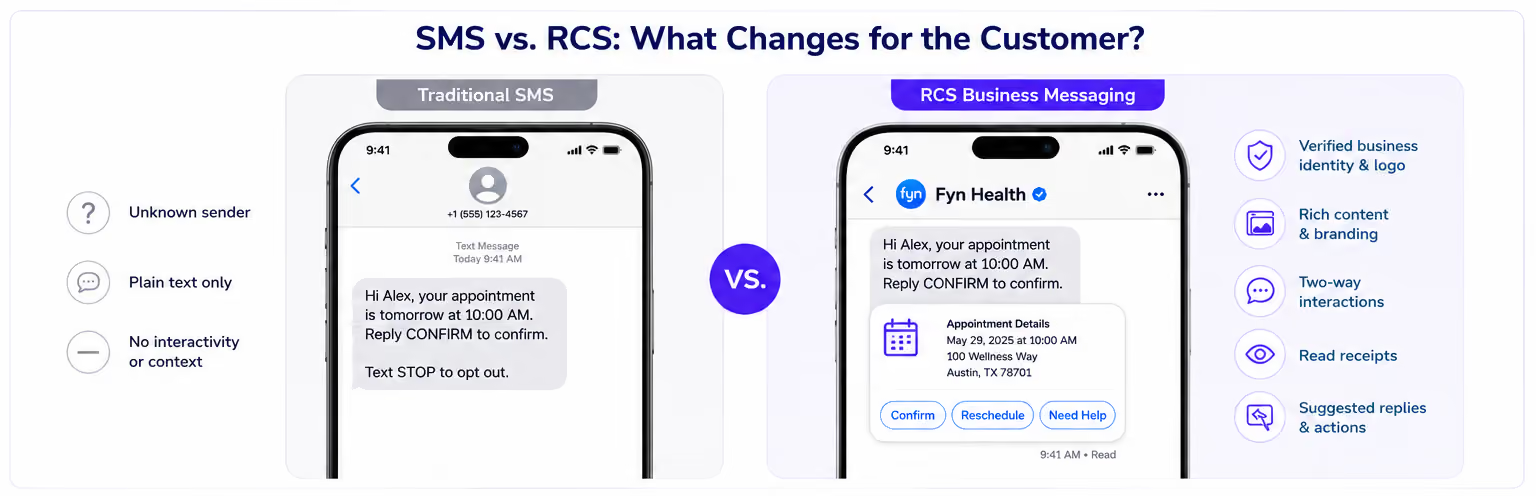
For businesses, RCS can transform an ordinary text interaction into a recognizable branded experience. Instead of receiving a message from an unfamiliar number, customers can see the organization's identity within their native messaging experience.
Verified RCS business profiles can display a business name, logo and verification indicator, helping recipients recognize that they are communicating with a legitimate organization.
RCS can also support interactive capabilities such as:
- Rich cards with images, text and calls to action
- Carousels
- Suggested replies
- Suggested actions
- Rich media
- Read receipts
- Two-way conversations
This means messaging can become more than a notification channel. Customers can be guided toward the next step directly from the conversation.
How is RCS different from SMS?
SMS remains one of the most universal ways to reach customers, but its simplicity also creates limitations. A traditional SMS may arrive from a phone number or short code with limited information about the sender. The message itself is primarily text, with customers often directed to another channel to take action.
RCS adds identity, interactivity and richer content to the messaging experience. For example, instead of sending a plain-text message asking a customer to complete an important task, an organization can present a recognizable branded interaction with contextual information and clear actions.
For customers, that can mean less uncertainty about who is contacting them and what they should do next. For enterprises, it creates an opportunity to turn messaging from a simple outbound notification into part of the customer journey.
What is branded calling?
Branded calling adds verified business identity and context to an outbound phone call so customers have more information about who is calling before they answer.
Depending on device and network support, that information can include:
- Verified business name
- Company logo
- Phone number
- Reason for the call
Instead of seeing only an unfamiliar number, a customer might see the organization's name, branding and a reason such as Appointment Confirmation before deciding whether to answer.
That distinction matters in an environment where consumers routinely screen unknown calls. Branded calling helps answer one of the first questions customers have when their phone rings: “Who is calling me, and can I trust this call?”

Why RCS and branded calling matter for customer trust
Trust is not simply a branding consideration for enterprise communications. It can determine whether an interaction happens at all.
Organizations can invest significant effort determining which customers need outreach, what information they need and what action should happen next. But none of that matters if the recipient ignores the message or declines the call because they don't recognize the sender.
RCS and branded calling bring identity closer to the beginning of the interaction. This can create three important advantages:
1. Make your organization easier to recognize
Brand identity appears where the interaction is actually happening: on the customer's phone. Customers don't have to rely solely on a phone number or the wording of a text message to determine who is contacting them.
2. Give customers context before asking them to engage
Branded communications can provide information about the organization—and, for voice interactions, potentially why it is calling—before the customer decides whether to engage. That additional context can be especially valuable when outreach is unexpected but important.
3. Create a more consistent customer experience
Customers already associate trusted digital experiences with recognizable brands. Extending that identity into messaging and voice helps organizations create a more consistent experience across the customer journey, rather than switching between highly branded digital properties and anonymous outbound communications.
How can RCS support compliant customer communications?
RCS can provide important capabilities for organizations designing governed customer communications, but RCS itself does not make a communication compliant.
Organizations still need to apply the consent, privacy, data protection, content, recordkeeping and opt-out requirements applicable to their business, industry and jurisdiction.
For regulated enterprises, the opportunity is to bring richer, more trusted communications into the governance framework already surrounding their customer journeys.
That means thinking beyond the channel itself: Who should receive the communication? What information can be shared? Has the customer provided the appropriate consent? What happens when they respond? What systems need to be updated? How is the interaction governed and audited?
For healthcare organizations, insurers and financial services providers, those questions are often just as important as message delivery.
From trusted communication to completed customer journeys
RCS and branded calling become even more powerful when they are connected to the systems and workflows behind the interaction.
Consider a customer who needs to provide information to complete a process. A branded RCS message can establish who is reaching out and present a clear next action. The interaction can then connect to the appropriate workflow, data and enterprise systems required to move the request forward.
Similarly, branded calling can help establish context before a voice interaction begins, while the experience behind that call can connect customers to automated or human assistance depending on what they need.

RCS and Branded Calling with Ushur
Ushur enables enterprises to bring branded messaging and branded voice into customer journeys orchestrated through the Ushur Agentic Platform.
With Branded Messaging using RCS, organizations can create richer messaging experiences with recognizable brand identity and interactive capabilities such as rich cards, carousels, suggested replies and read receipts.
With Branded Calling, customers can see identifying information such as a verified business name, logo and call reason before answering supported outbound calls.
The result is a more recognizable entry point into the customer journey. But the initial communication itself is only the beginning. Ushur helps enterprises connect these interactions with AI agents, automated workflows and enterprise systems so customers can move from recognizing the organization to engaging with confidence to getting something done.
For regulated enterprises, that means branded communications can become part of governed customer journeys rather than another disconnected communications channel.
Building trust before the conversation begins
Enterprises have spent years improving what happens after customers engage: better digital experiences, more personalized service and increasingly capable AI agents.
But successful customer engagement starts one step earlier. Customers first have to decide whether to engage at all. RCS and branded calling help organizations establish identity and context at that critical moment—making communications easier to recognize and giving customers greater confidence about who is reaching them.
For healthcare, insurance, financial services and other regulated enterprises, that can help turn outbound reach into trusted customer engagement—and trusted engagement into completed customer journeys.
Want to see how branded messaging and calling can become part of your customer journeys? Talk to your Ushur Customer Success Manager or request a demo to get started
Frequently Asked Questions About RCS and branded calling
How does RCS business messaging differ from traditional SMS?
While SMS is limited to plain text from an often-unfamiliar number, RCS provides a modern, branded experience. It includes a verified business identity (logo and name), rich media (like images and carousels), and interactive elements such as suggested replies and actions, allowing for two-way conversations directly within the messaging app.
What is branded calling, and how does it help customer trust?
Branded calling provides customers with verified information about who is calling before they decide to answer. Depending on support, this can include the business's name, logo, and the specific reason for the call, which helps combat the issue of customers ignoring calls from unknown numbers.
Does adopting RCS ensure compliance for my communications?
No. While RCS offers powerful capabilities for customer engagement, it does not inherently make a communication compliant. Organizations must still adhere to all applicable consent, privacy, data protection, and recordkeeping regulations specific to their industry and jurisdiction.
Why are RCS and branded calling important for customer engagement?
Trust is a major barrier to engagement; customers often ignore or block calls and messages from unknown sources. By establishing verified identity and providing context before the interaction begins, these tools make it easier for customers to recognize and trust the communication, leading to higher engagement rates and better outcomes.
How can the tools integrate with existing enterprise systems?
When connected to platforms like Ushur, RCS and branded calling go beyond simple notifications. They can trigger automated workflows and connect to enterprise data systems. This allows customers to move from a simple interaction (like seeing a branded alert) to actually completing a task, such as rescheduling an appointment or providing information, directly within the conversation.